



 The science & soul of spiritual flourishing.
 Formation is a podcast and newsletter exploring the science & soul of spiritual formation through theology, psychology, and lived experience. Hosted and authored by John Ortberg and his team.


From the Podcast
Podcast
A Systems Theory Expert on the Anxiety Running Your Team ft. Steve Cuss | 010
Steve Cuss spent years as a hospital chaplain, learning to read the anxiety in a room before anyone had named it. His conclusion: the most valuable thing a leader can offer their people is a well self.

Podcast
Everything You Need to Know About the Next Generation ft. Kara Powell | 009
Kara Powell's team surveyed 3,000 Gen Alpha teenagers and asked what they most want from an adult they trust. The answer: someone who will listen without judging.
Podcast
The Impact of AI on Relationships, the Church, and Spiritual Development ft. Carey Nieuwhof | 008
Carey Nieuwhof has spent two years inside the question of what AI does to the church. His answer is disarmingly simple: as the world becomes more synthetic, the church has to become more human.
Podcast
Quadriplegia, Despair, and Learning to Truly Live ft. Joni Eareckson Tada | 007
Paralyzed at seventeen and a quadriplegic for nearly sixty years, Joni Eareckson Tada talks with John Ortberg about despair, anger at God, and pain. What emerges is a hard-won hope: that Jesus is "the treasure, not the consolation prize," a word for anyone whose circumstances may never be okay.

Podcast
A Silicon Valley Pastor on the Spiritual Cost of a Distracted Life ft. Jay Kim | 006
In this episode of Formation, John Ortberg sits down with a Silicon Valley pastor whose pursuit of attention, rest, and spiritual formation was interrupted by a panic attack — and reshaped by an ancient prayer practice, the problem with multitasking, and the rise of AI.
Podcast
The Hidden Spiritual Cost of How We Work ft. Gary Hamel | 005
What if the way we're managed at work is quietly forming—or deforming—our souls? Gary Hamel and John Ortberg on work, dignity, and the surprising overlap between good management and the image of God.


Recent Publishings
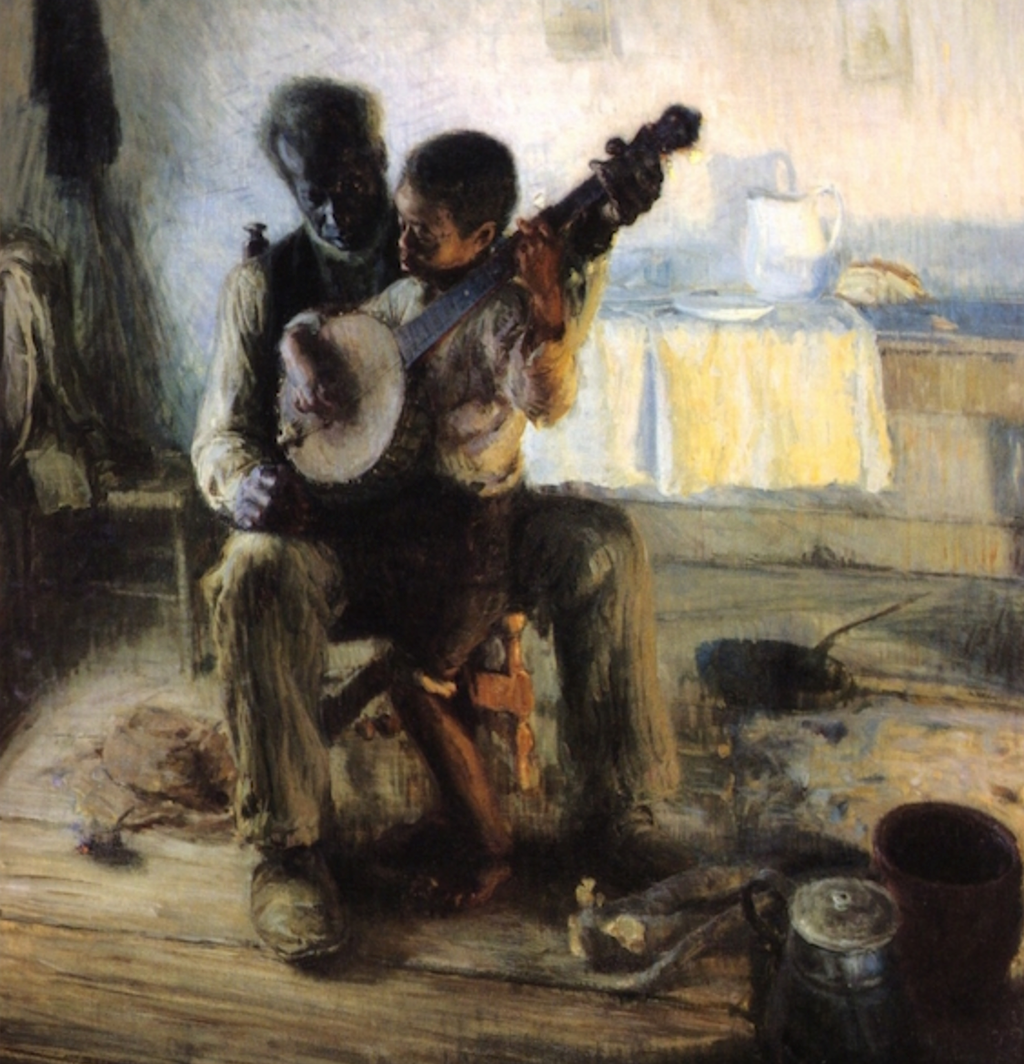
Centuries ago William Law wrote that, if you ask yourself why you’re not more generous or honest or grace-filled or devout, “your own heart will tell you that it is neither through ignorance, nor inability, but purely because you never thoroughly intended it.” Here’s to thoroughly intending.
— John Ortberg

